








































































































Database assessment and selection
Database capabilities are planned around engine choice, schema or key design, capacity, availability and recovery needs.

Build reliable database environments with AWS RDS and DynamoDB. Datanet Hosting helps businesses deploy, manage and optimise relational and NoSQL databases for scalable applications.
Request a Database Consultation
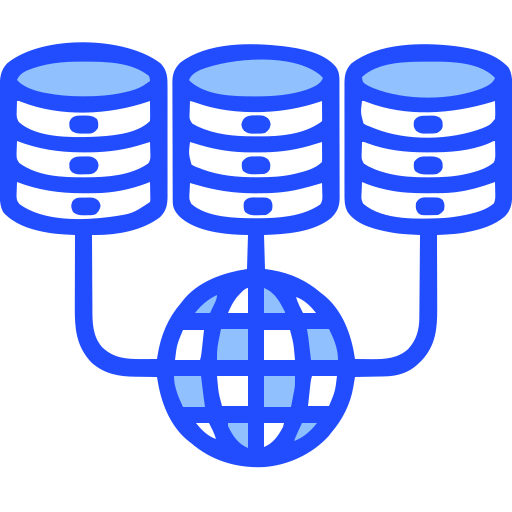
Amazon RDS supports managed relational database engines, while Amazon DynamoDB provides managed NoSQL database capabilities for applications.
Select and configure AWS database services to support application data models, transaction patterns and performance objectives.
Database capabilities are planned around engine choice, schema or key design, capacity, availability and recovery needs.
Database capabilities are planned around engine choice, schema or key design, capacity, availability and recovery needs.
Database capabilities are planned around engine choice, schema or key design, capacity, availability and recovery needs.
Database capabilities are planned around engine choice, schema or key design, capacity, availability and recovery needs.
Database architecture should account for data model, query patterns, consistency, backup retention, read scaling, failover and application connectivity.
Select and configure AWS database services to support application data models, transaction patterns and performance objectives.
Select and configure AWS database services to support application data models, transaction patterns and performance objectives.
Select and configure AWS database services to support application data models, transaction patterns and performance objectives.
Select and configure AWS database services to support application data models, transaction patterns and performance objectives.
Select and configure AWS database services to support application data models, transaction patterns and performance objectives.
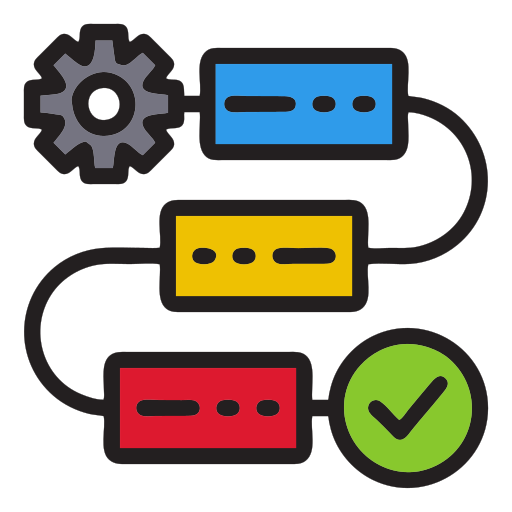
Review engines, schemas, queries, transaction rates, data size and application dependencies.
Select RDS or DynamoDB and define capacity, availability, security and backup settings.
Configure connectivity, test queries and application behaviour, and validate backup and recovery.
AWS database services provide managed options for relational, key-value and other database workloads, with different consistency, scaling and operational characteristics.
Database architecture should account for data model, query patterns, consistency, backup retention, read scaling, failover and application connectivity.
Database capabilities are planned around engine choice, schema or key design, capacity, availability and recovery needs.
Database capabilities are planned around engine choice, schema or key design, capacity, availability and recovery needs.
Database capabilities are planned around engine choice, schema or key design, capacity, availability and recovery needs.
Database capabilities are planned around engine choice, schema or key design, capacity, availability and recovery needs.
Database capabilities are planned around engine choice, schema or key design, capacity, availability and recovery needs.
Select and configure AWS database services to support application data models, transaction patterns and performance objectives.
Database package scope depends on engine, data size, availability, performance and support requirements. Database instance, storage, I/O and data-transfer charges are billed separately unless agreed otherwise.
Tell us about your database engine, application and performance requirements to plan an appropriate AWS database solution.
Select and configure AWS database services to support application data models, transaction patterns and performance objectives.
Database capabilities are planned around engine choice, schema or key design, capacity, availability and recovery needs.
Database capabilities are planned around engine choice, schema or key design, capacity, availability and recovery needs.
Database capabilities are planned around engine choice, schema or key design, capacity, availability and recovery needs.
Database capabilities are planned around engine choice, schema or key design, capacity, availability and recovery needs.
Database capabilities are planned around engine choice, schema or key design, capacity, availability and recovery needs.
| Service feature | Starter | Business | Managed |
|---|---|---|---|
| Relational and NoSQL workload assessment | ✓ | ✓ | ✓ |
| RDS engine or DynamoDB table configuration | ✓ | ✓ | ✓ |
| Backup, retention and recovery planning | — | ✓ | ✓ |
| Performance and scaling review | — | ✓ | ✓ |
| Recurring database health review | — | — | ✓ |
Database package scope depends on engine, data size, availability, performance and support requirements. Database instance, storage, I/O and data-transfer charges are billed separately unless agreed otherwise.
Confirm database engine, version and feature availability in the selected region, and define backup, replication and recovery requirements.
Use RDS for managed relational database engines and DynamoDB for managed key-value and document workloads with suitable access patterns.
Use RDS for managed relational database engines and DynamoDB for managed key-value and document workloads with suitable access patterns.
Use RDS for managed relational database engines and DynamoDB for managed key-value and document workloads with suitable access patterns.
Use RDS for managed relational database engines and DynamoDB for managed key-value and document workloads with suitable access patterns.
| Project area | Datanet Hosting | Self-managed |
|---|---|---|
| Database engine and data model assessment | ✓ | Customer-led |
| RDS or DynamoDB configuration | ✓ | Customer-led |
| Backup and availability configuration | ✓ | Self-configured |
| Performance and capacity review | ✓ | Customer-managed |
RDS is suitable when an application requires a supported relational database engine and managed database operations.
DynamoDB can suit key-value or document workloads with predictable access patterns and requirements for managed scaling.
Migration planning can include schema assessment, compatibility checks, data transfer, validation and a controlled cutover.
Backup options depend on the database service and configuration. Retention, point-in-time recovery and restore testing should be defined.
Database architecture should account for data model, query patterns, consistency, backup retention, read scaling, failover and application connectivity.
Choose a relational engine or NoSQL model based on application queries and consistency needs.
Plan Multi-AZ deployment, replicas and failover according to business impact.
Review indexes, query patterns, connection handling and capacity settings.
Set backup retention and validate restore procedures against recovery objectives.
Select and configure AWS database services to support application data models, transaction patterns and performance objectives.